
01 · The icon
Neapolitan pizza: begin with the classics
True Neapolitan pizza has a soft, elastic centre and a swollen, char-speckled rim. It arrives whole, cooks quickly and is usually eaten with a knife and fork before the centre softens further. The simplest combinations reveal the dough and oven best.
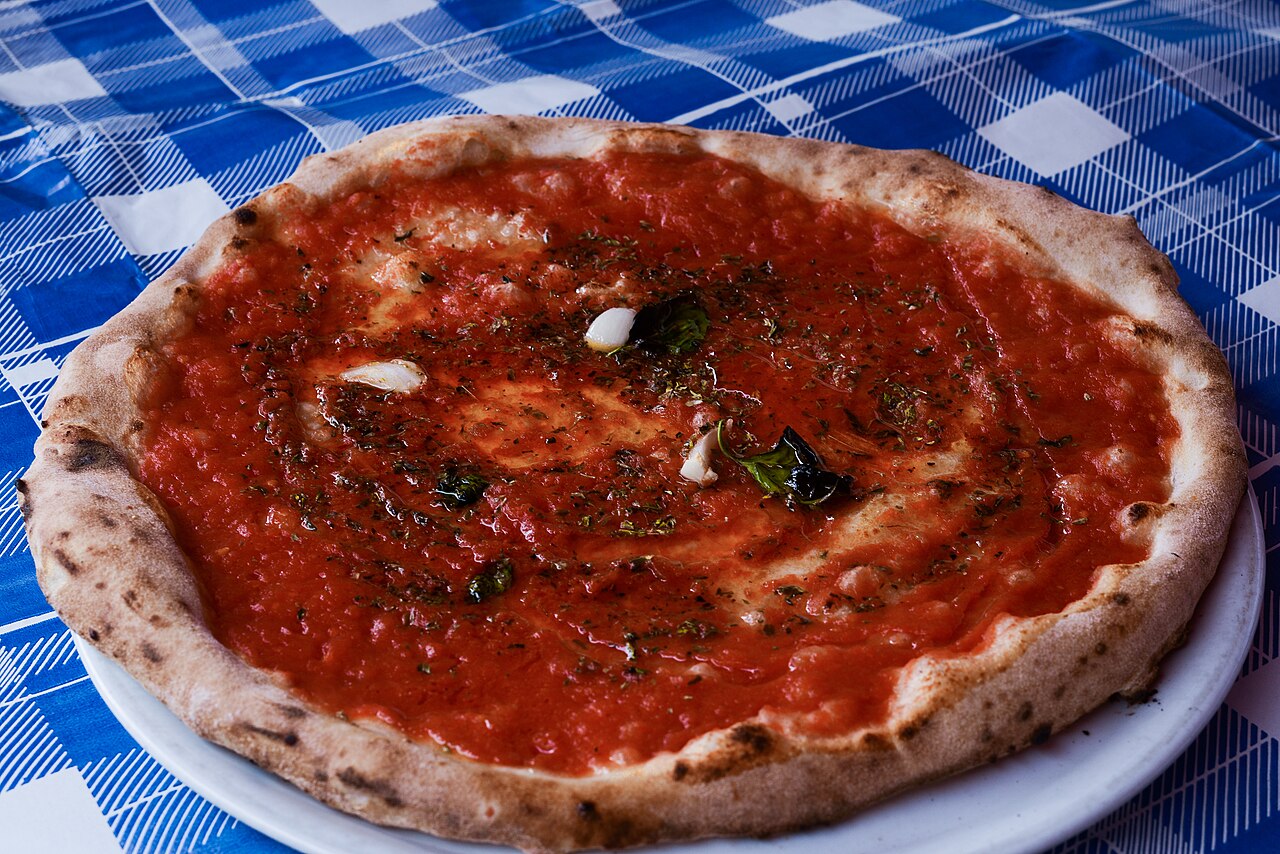
Marinara
Tomato, garlic, oregano and olive oil—no seafood and no cheese. It is the clearest test of the tomato, dough and balance of the bake.
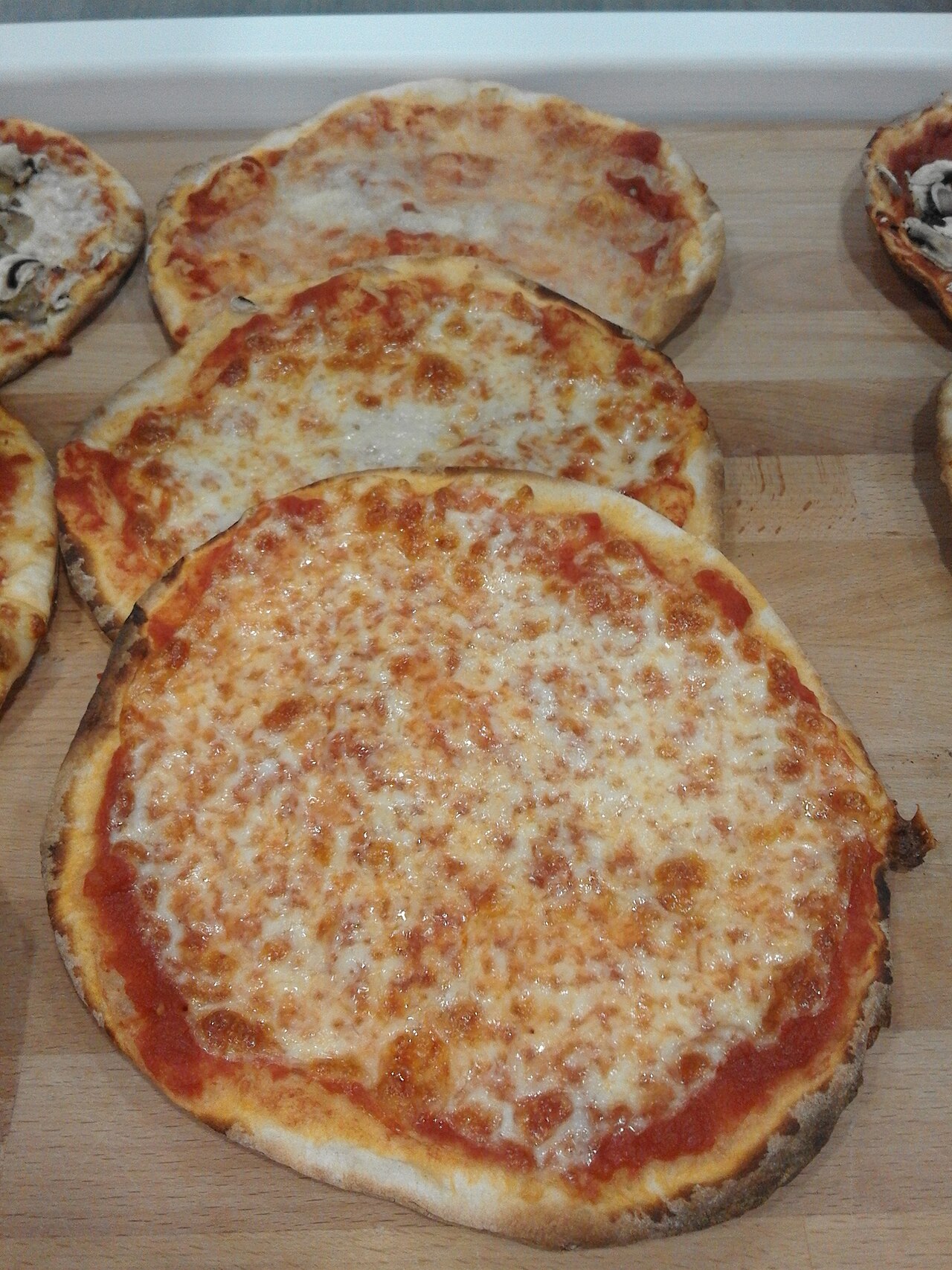
Margherita
Tomato, mozzarella, basil and olive oil. Look beyond famous names: the city has excellent traditional and contemporary pizzaioli across many neighbourhoods.
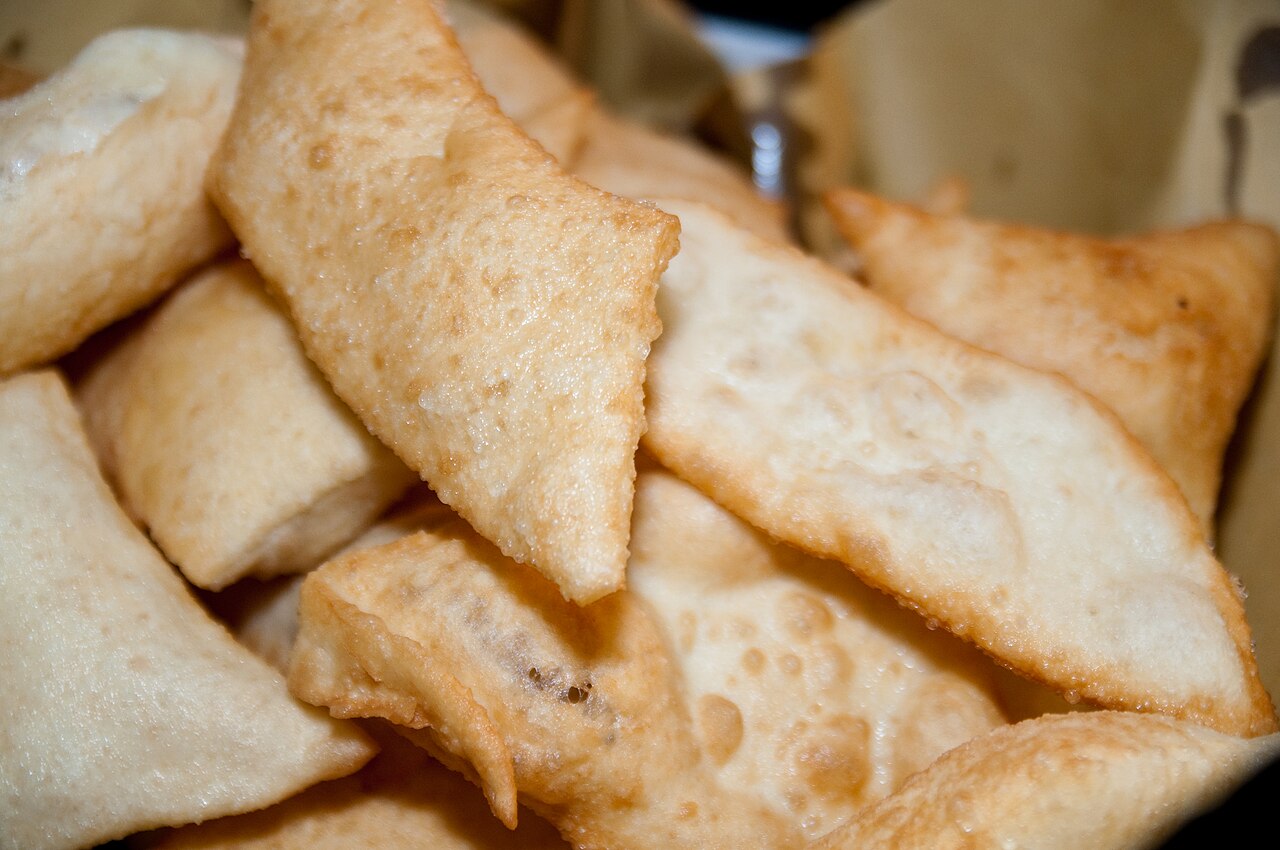
Pizza fritta
A sealed or open fried pizza with a crisp exterior and steaming filling, born from practical street cooking. Order one to share unless you are seriously hungry.
02 · Eat while walking
The essential street-food list
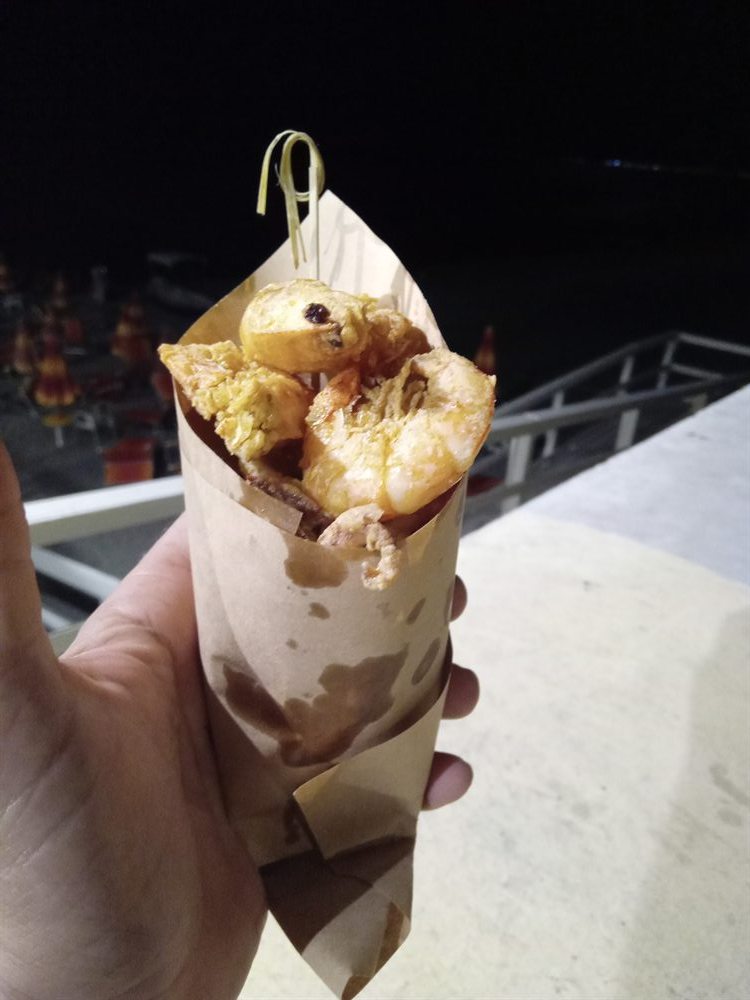
Fritto misto
A paper cone of freshly fried seafood, vegetables or mixed snacks. Eat it immediately; crispness is the point.
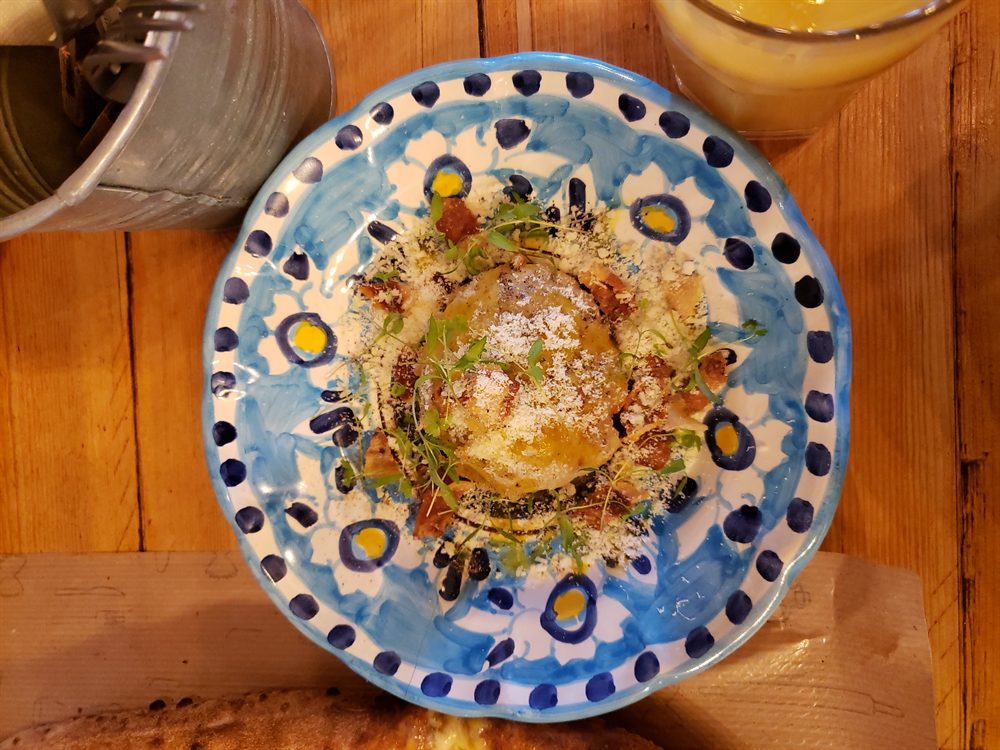
Fried pasta
A compact round of pasta, béchamel, peas and often meat, breaded and fried. Small in size, substantial in effect.
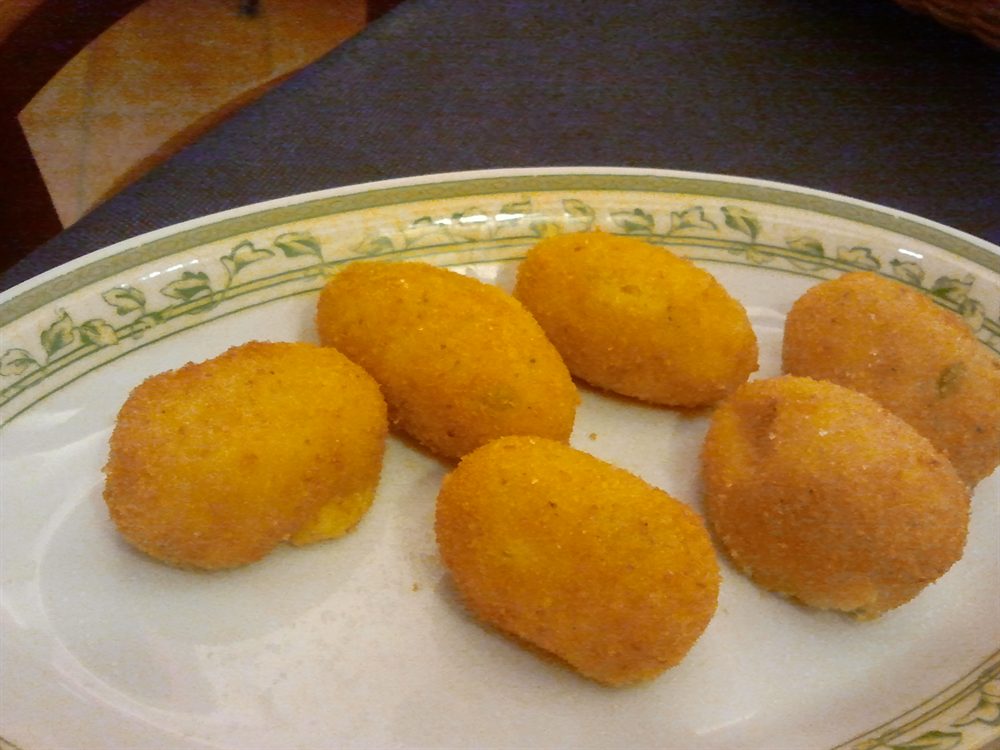
Potato croquette
A soft potato centre with herbs and sometimes cheese beneath a crisp shell. A classic addition to a mixed fry.
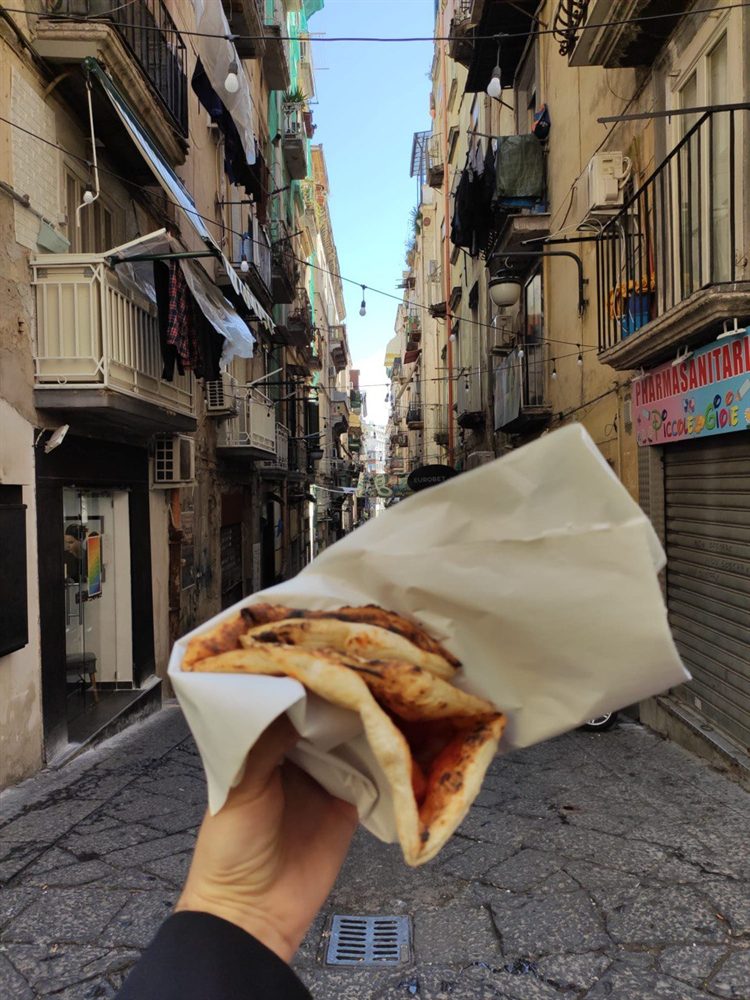
Folded pizza
A smaller pizza folded into quarters and eaten from paper—the portable expression of a Neapolitan favourite.
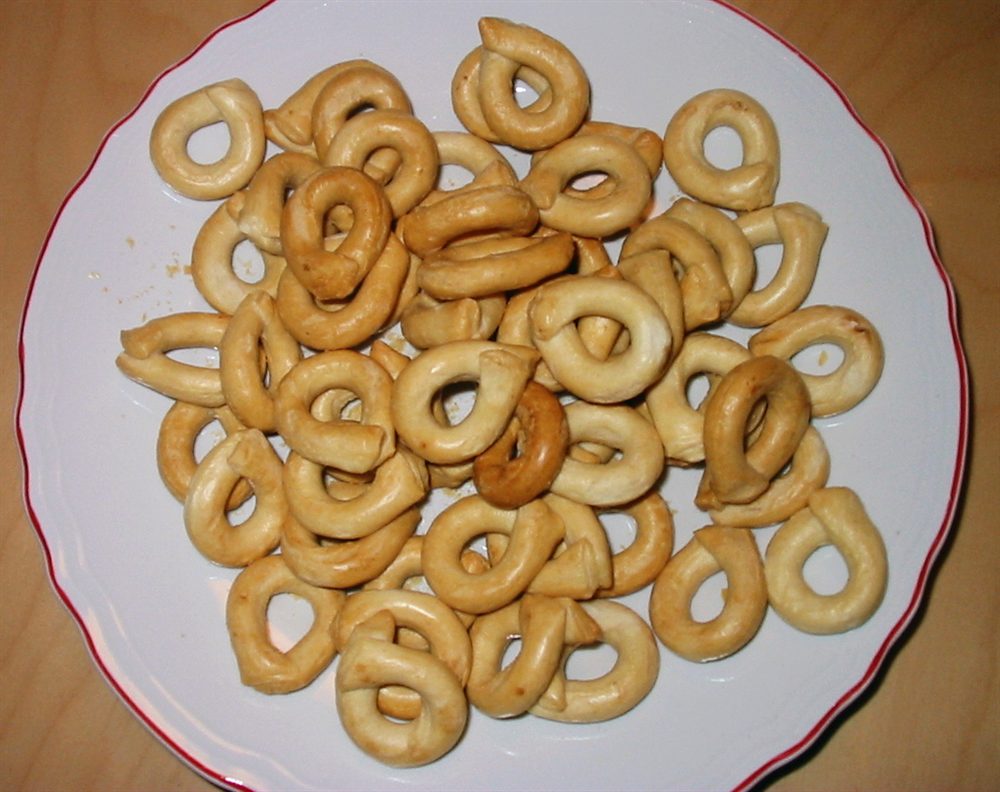
Almond & pepper
Crumbly, savoury rings rich with almonds, fat and black pepper. Excellent with a cold drink.
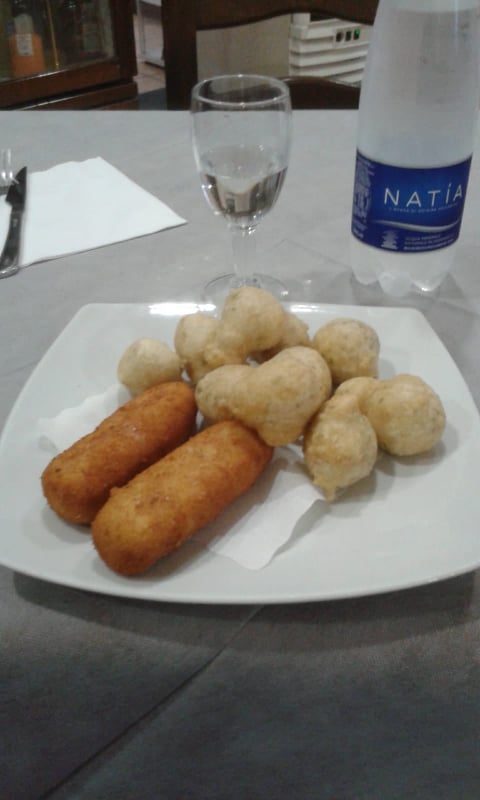
Fried bites
Small savoury dough fritters, often included in a cuoppo. Names and versions vary from counter to counter.
The official Italy tourism street-food overview is a useful starting point. Buy from busy counters that fry to order and keep hot food moving.
03 · Sit down
Pasta, vegetables and the Sunday soul
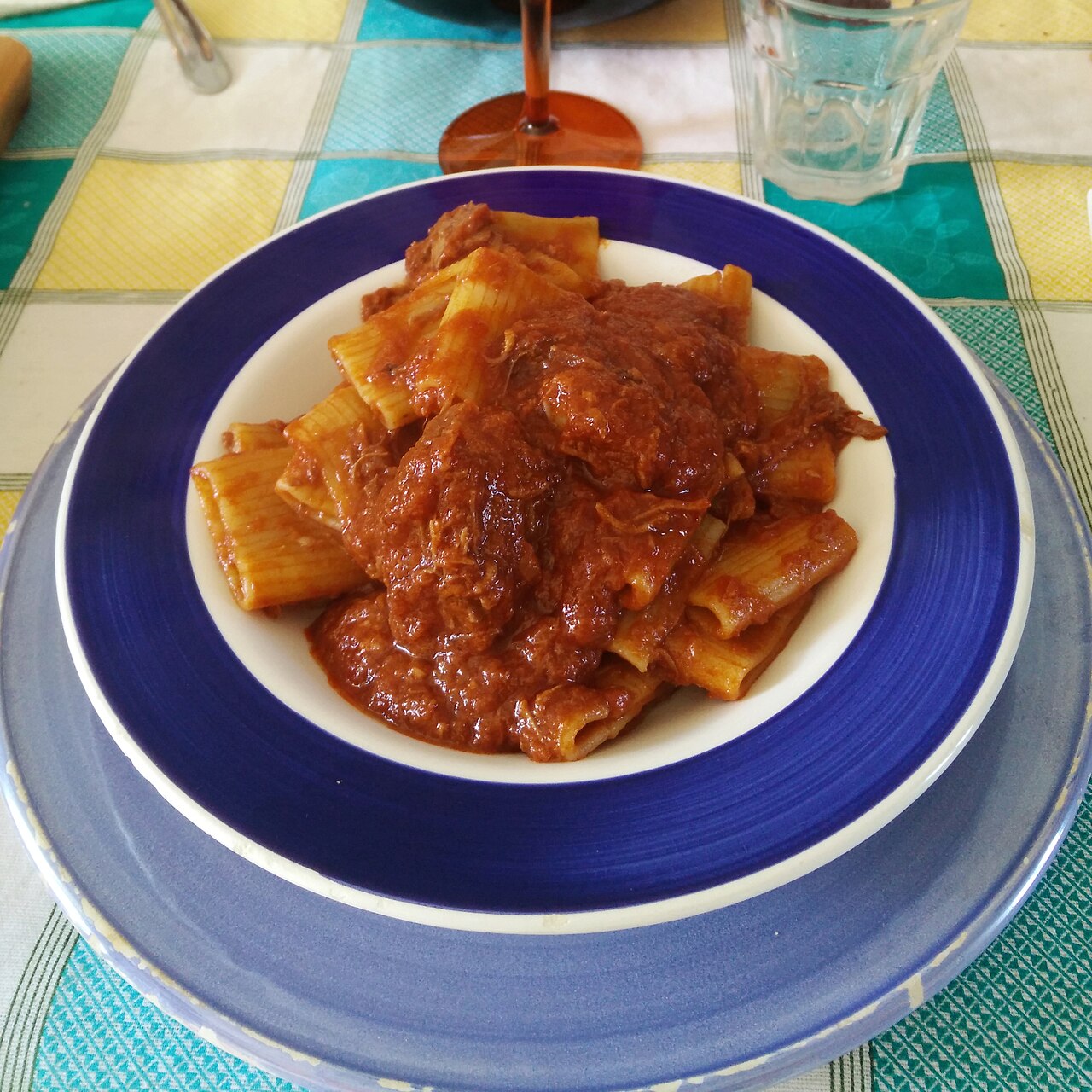
Ragù napoletano
A long-cooked tomato sauce built around large cuts of meat. The sauce traditionally dresses pasta while the meat can appear separately. It is weekend comfort food, not a quick red sauce.
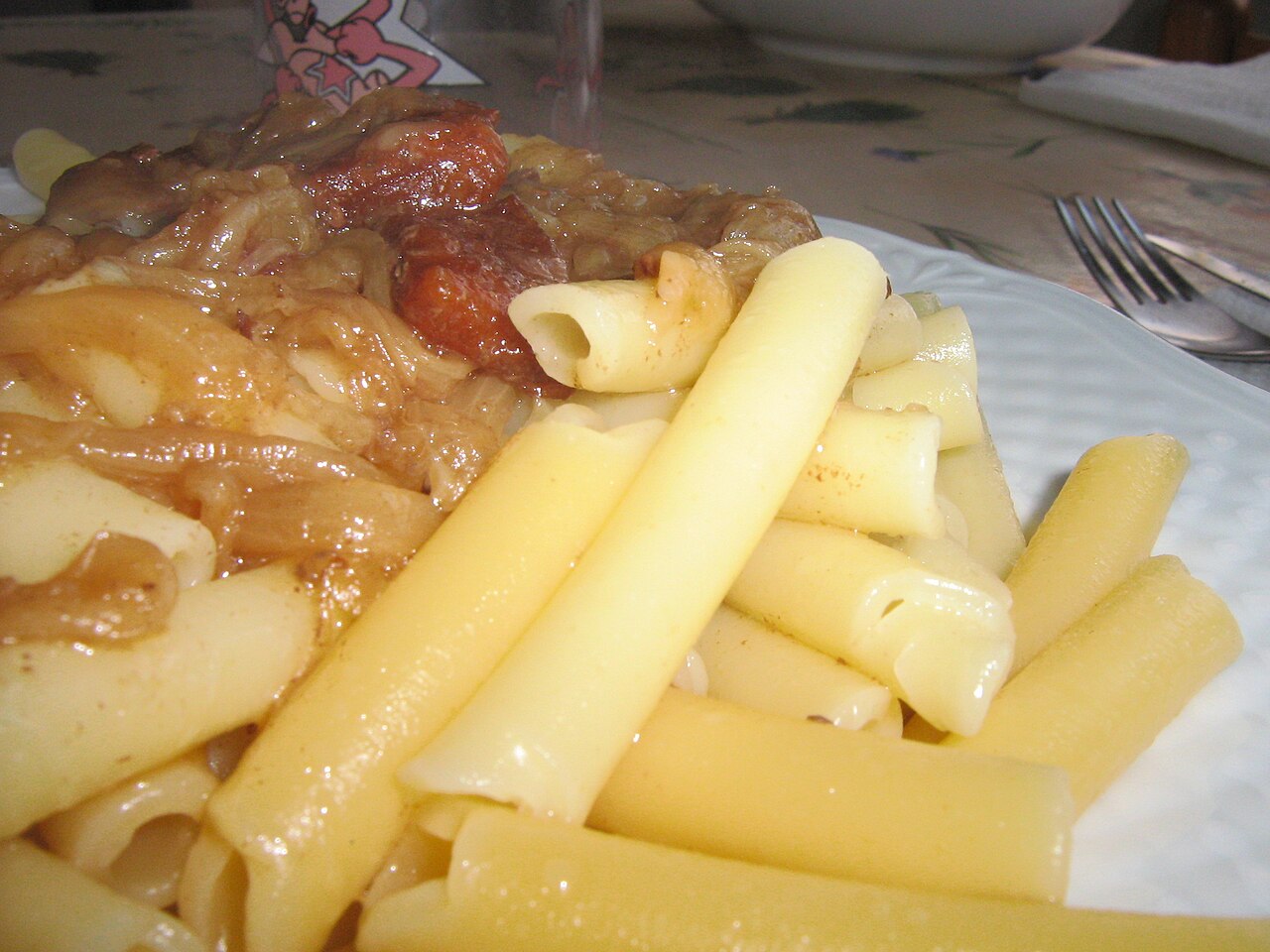
Genovese
Despite the name, this belongs to Naples: onions cook down slowly with meat into a deep, sweet-savoury sauce for pasta. It is one of the city’s most distinctive dishes.
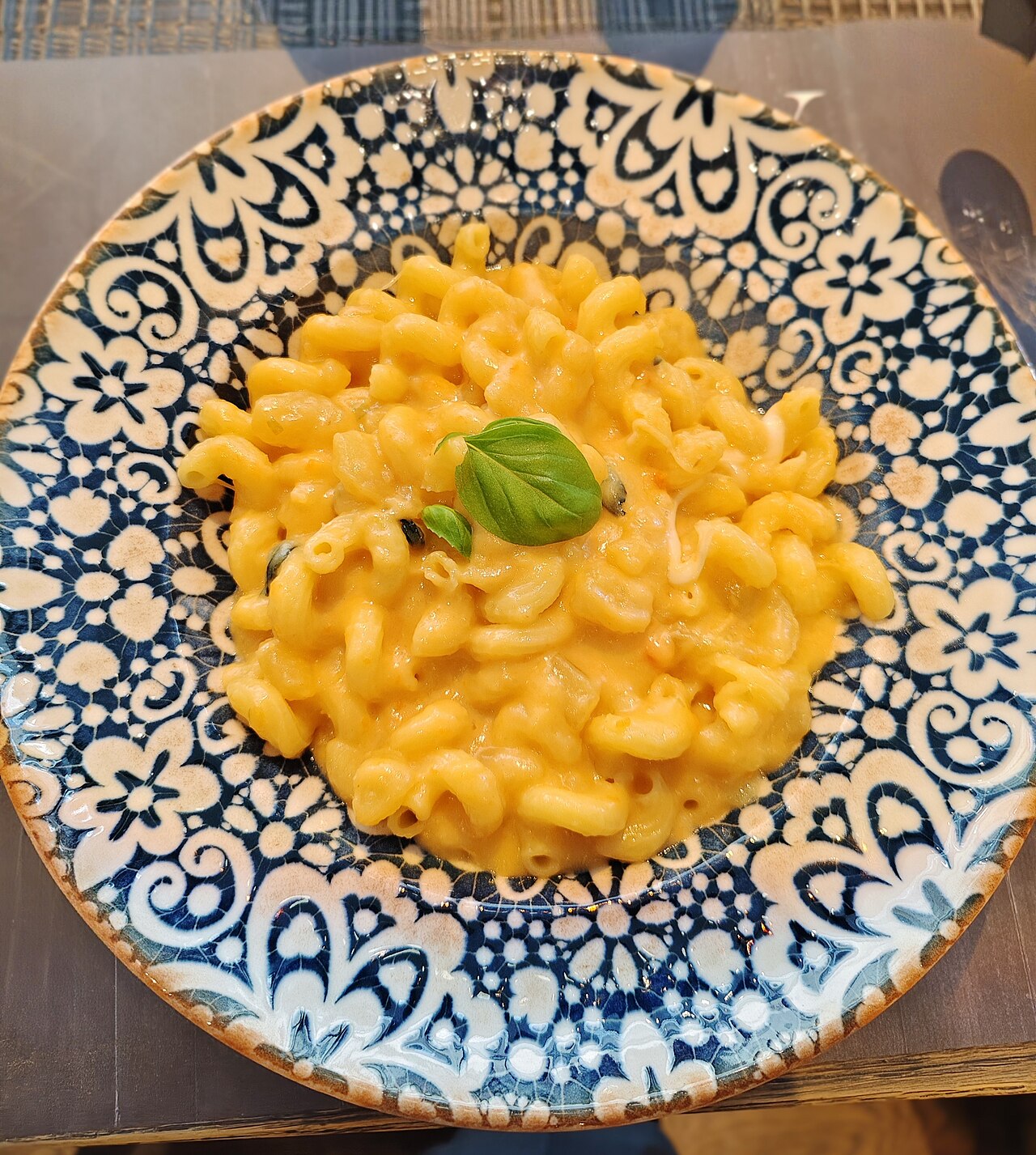
Pasta e patate
Pasta and potato become creamy through starch, often enriched with provola cheese. Look for a texture that is dense and cohesive rather than soupy.
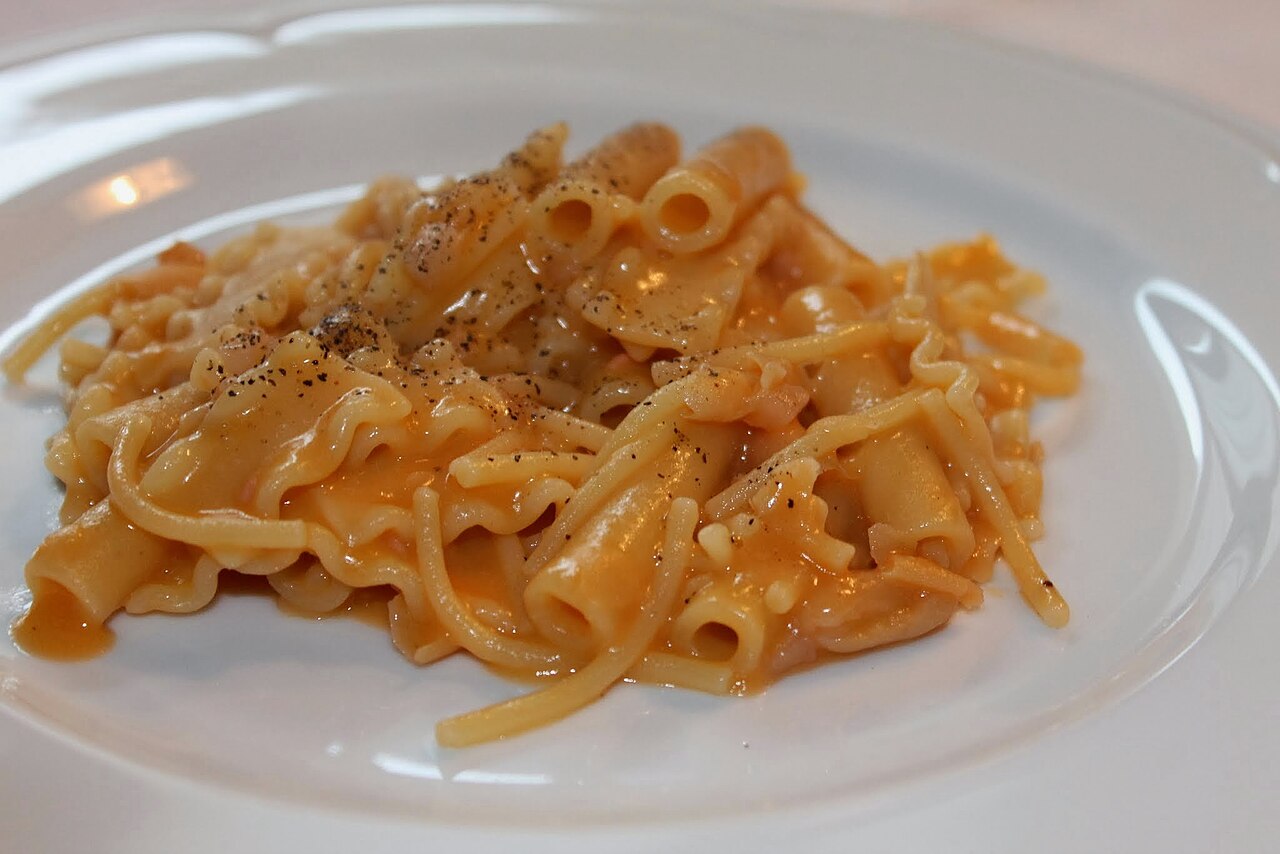
Pasta e fagioli with mussels
Beans, pasta and mussels combine land and sea with characteristic thrift. The photograph shows the classic Neapolitan bean version; the mussel variation adds a distinctly saline finish.
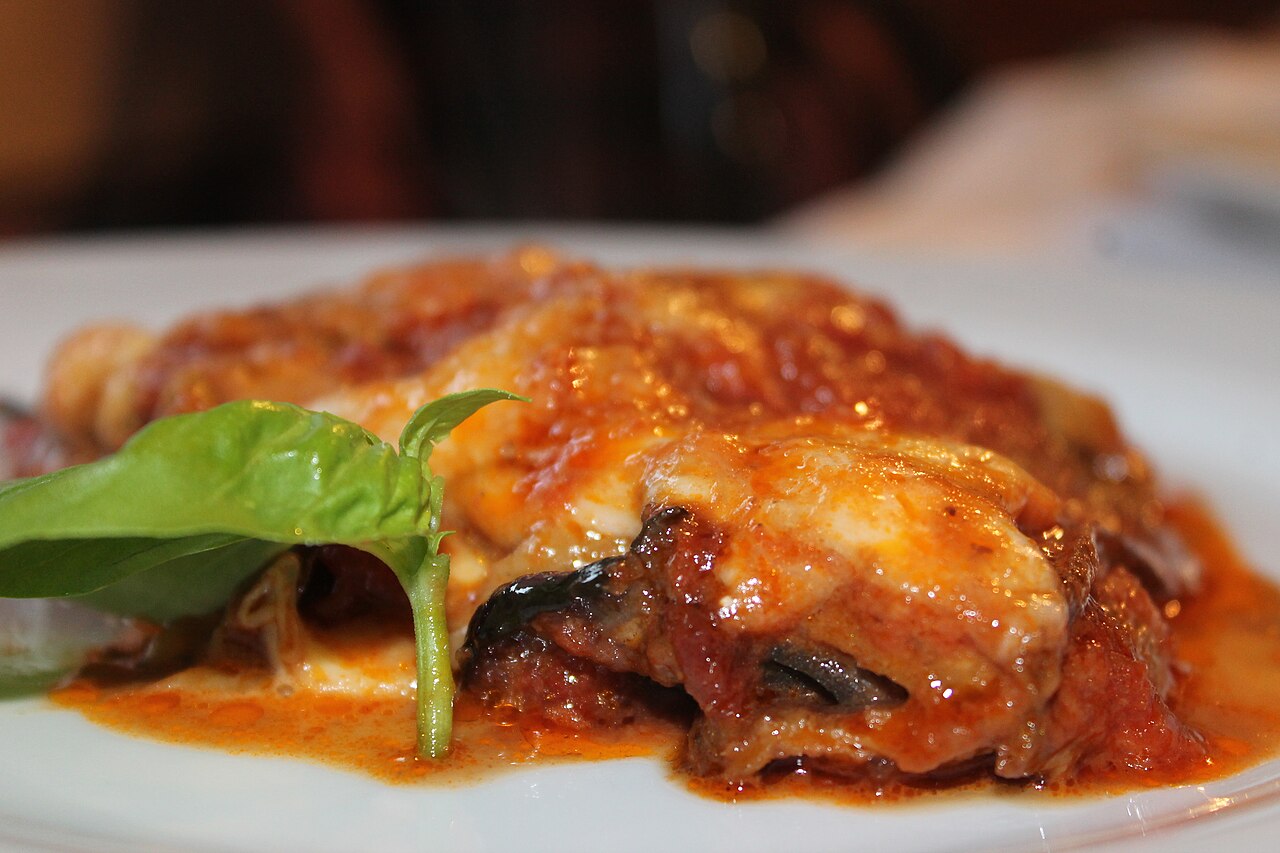
Parmigiana and friarielli
Vegetarian travellers should look for melanzane alla parmigiana, pasta with vegetables, scarola, grilled vegetables and friarielli—the local bitter greens often served with sausage but also ordered alone.
04 · Pastry counter
Riccia or frolla? The correct answer is both
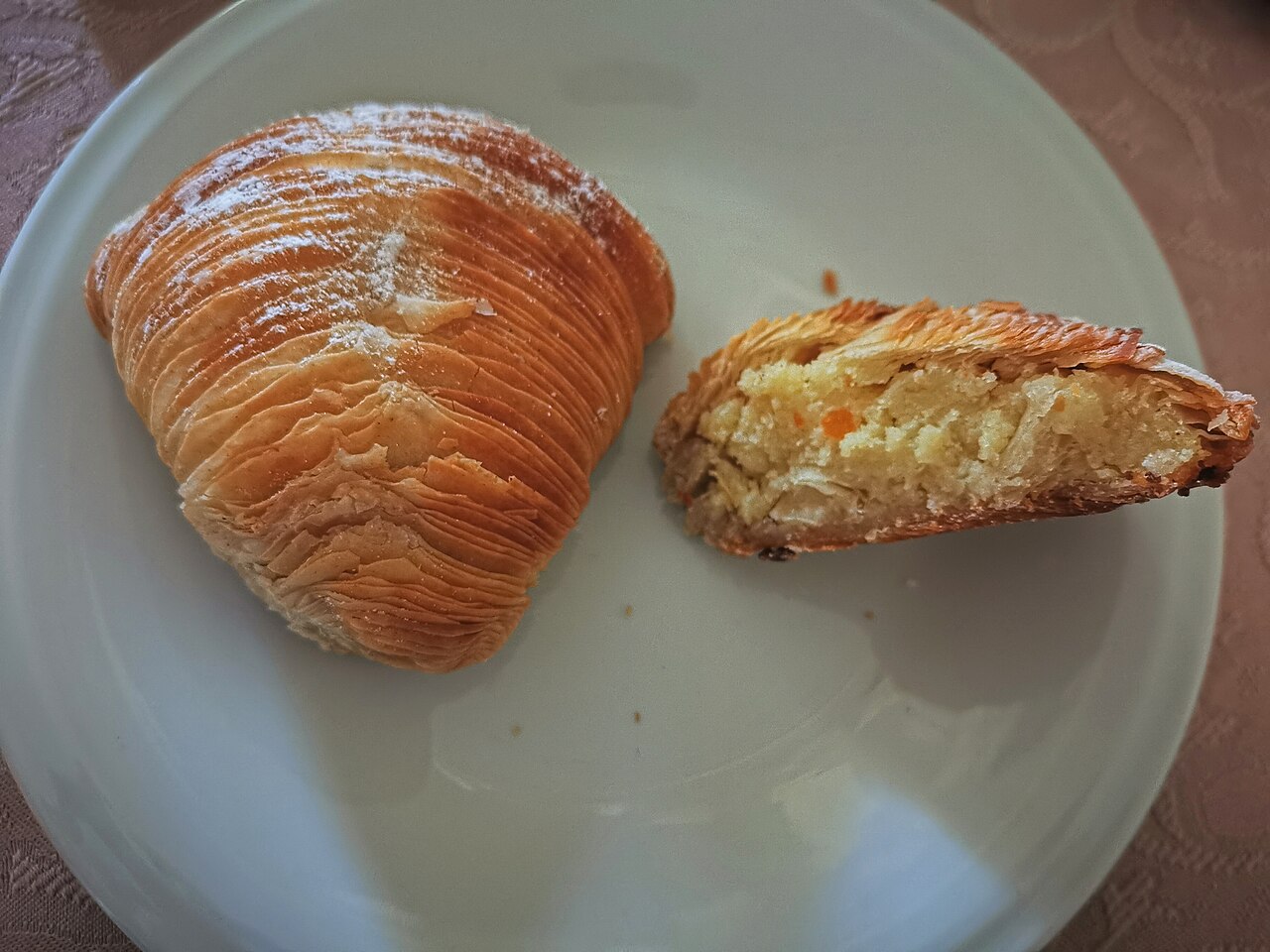
Sfogliatella riccia
Many crisp, curled pastry layers surround a fragrant filling of ricotta, semolina and candied citrus. Best eaten fresh, when the shell still shatters.
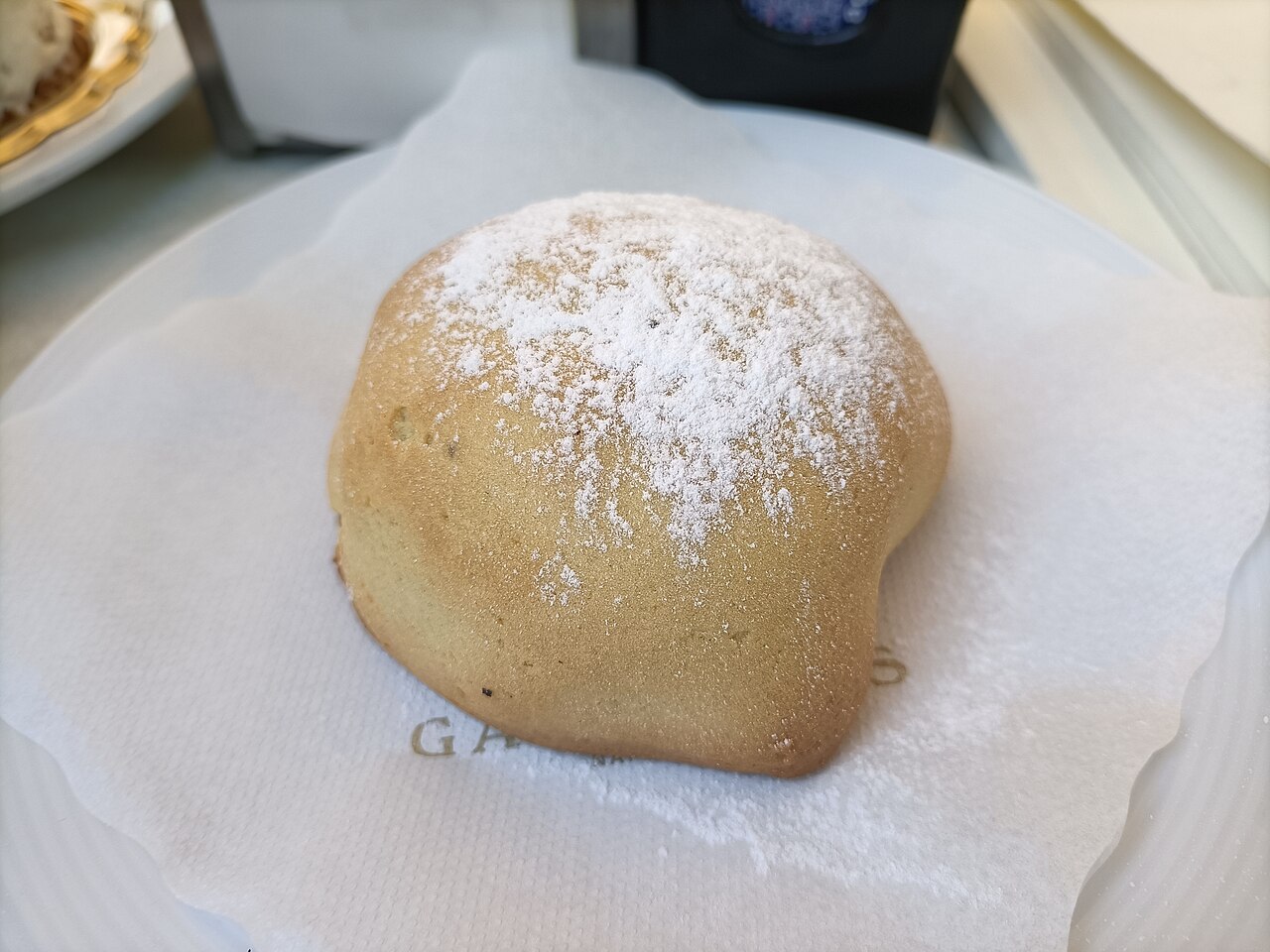
Sfogliatella frolla
The same family of filling in a tender shortcrust shell. Softer, calmer and ideal for anyone who prefers crumbly pastry to dramatic flakes.
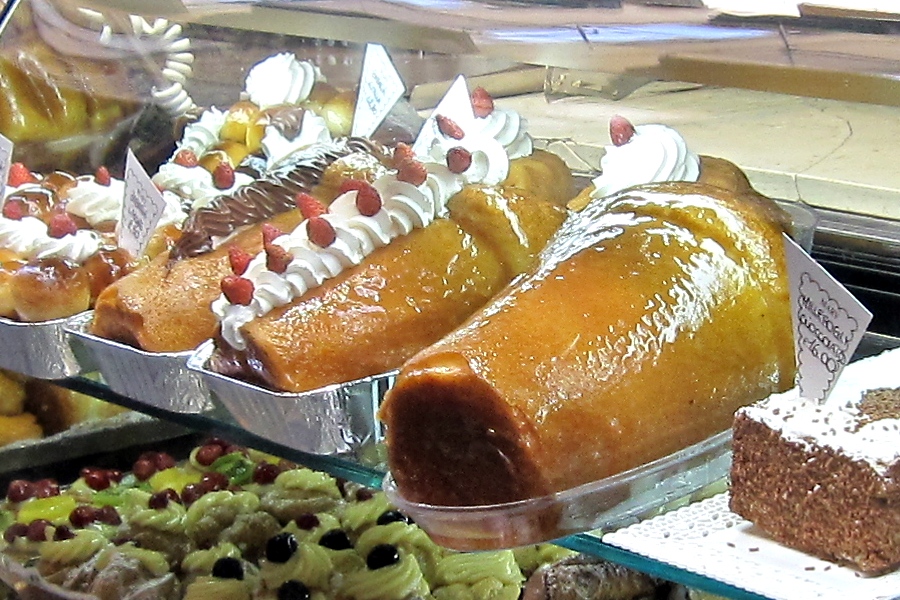
Babà
A light yeast cake soaked in rum syrup, sometimes split with cream. It should be moist and aromatic, never merely wet.
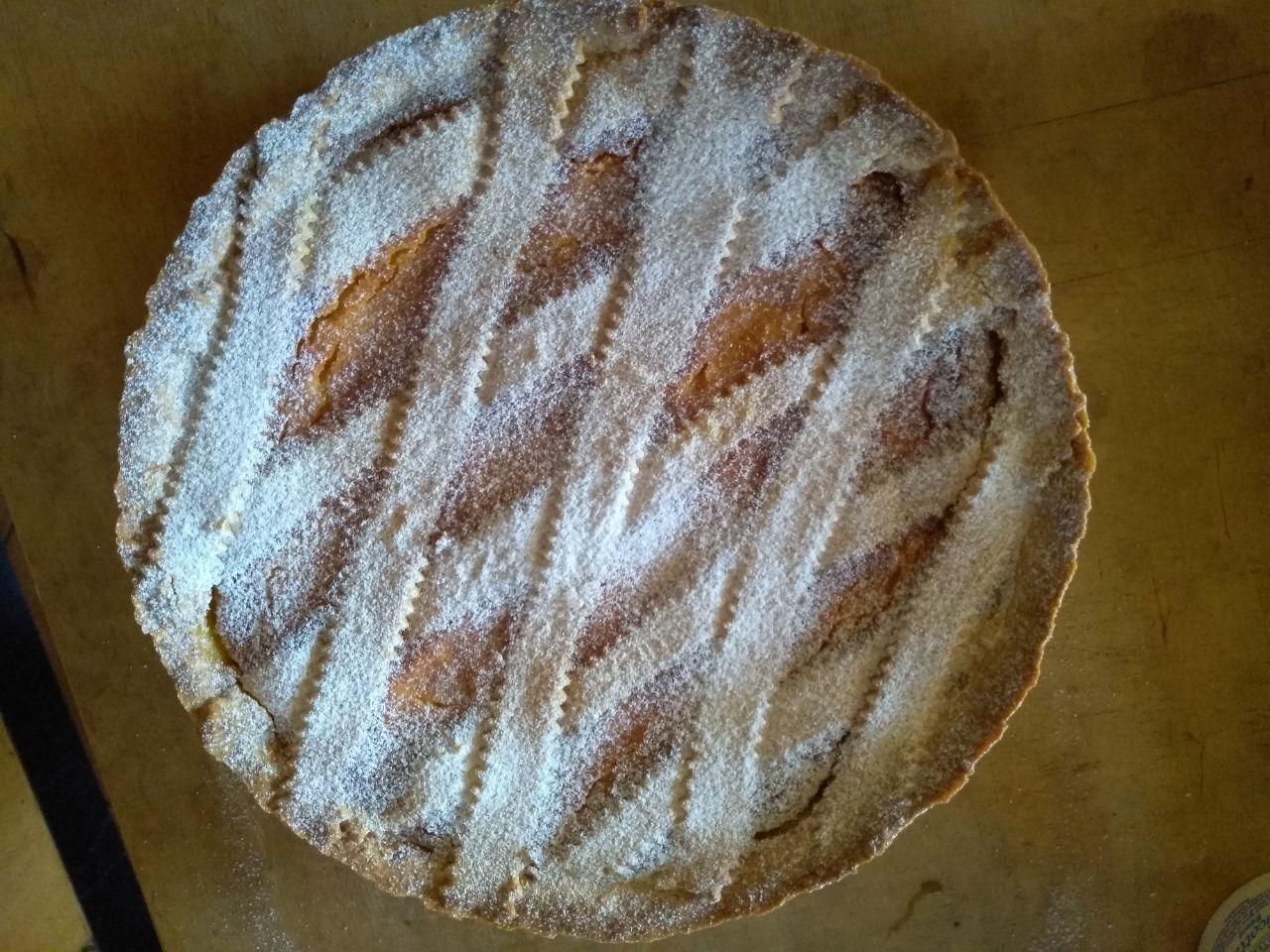
Pastiera
A springtime tart of ricotta, cooked wheat and orange-blossom perfume. Closely tied to Easter, it is now found more widely through the year.
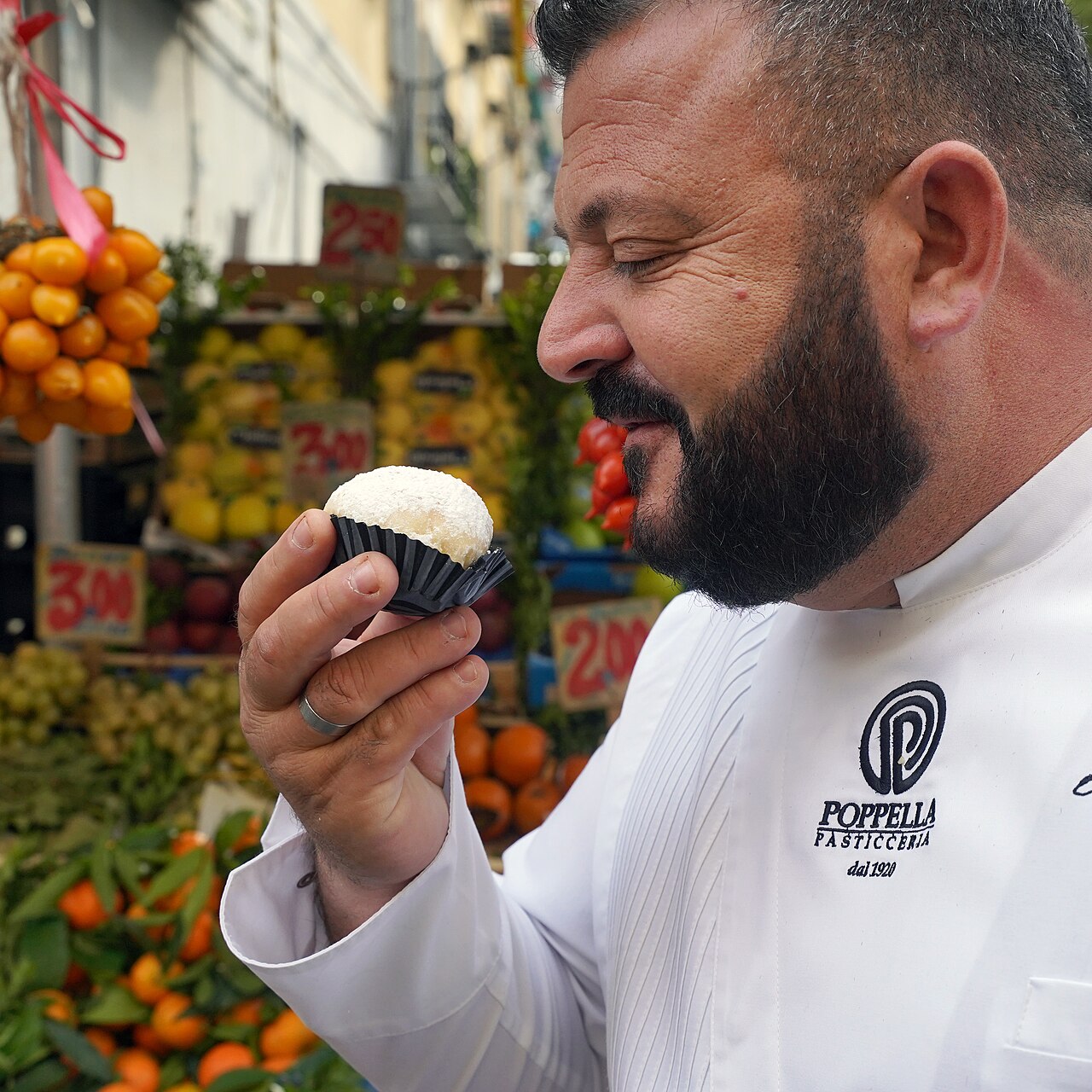
Fiocco di neve
A more recent city favourite: a soft brioche-like bun filled with light milk cream, associated particularly with the Sanità district.
05 · At the bar
Coffee is small, fast and social
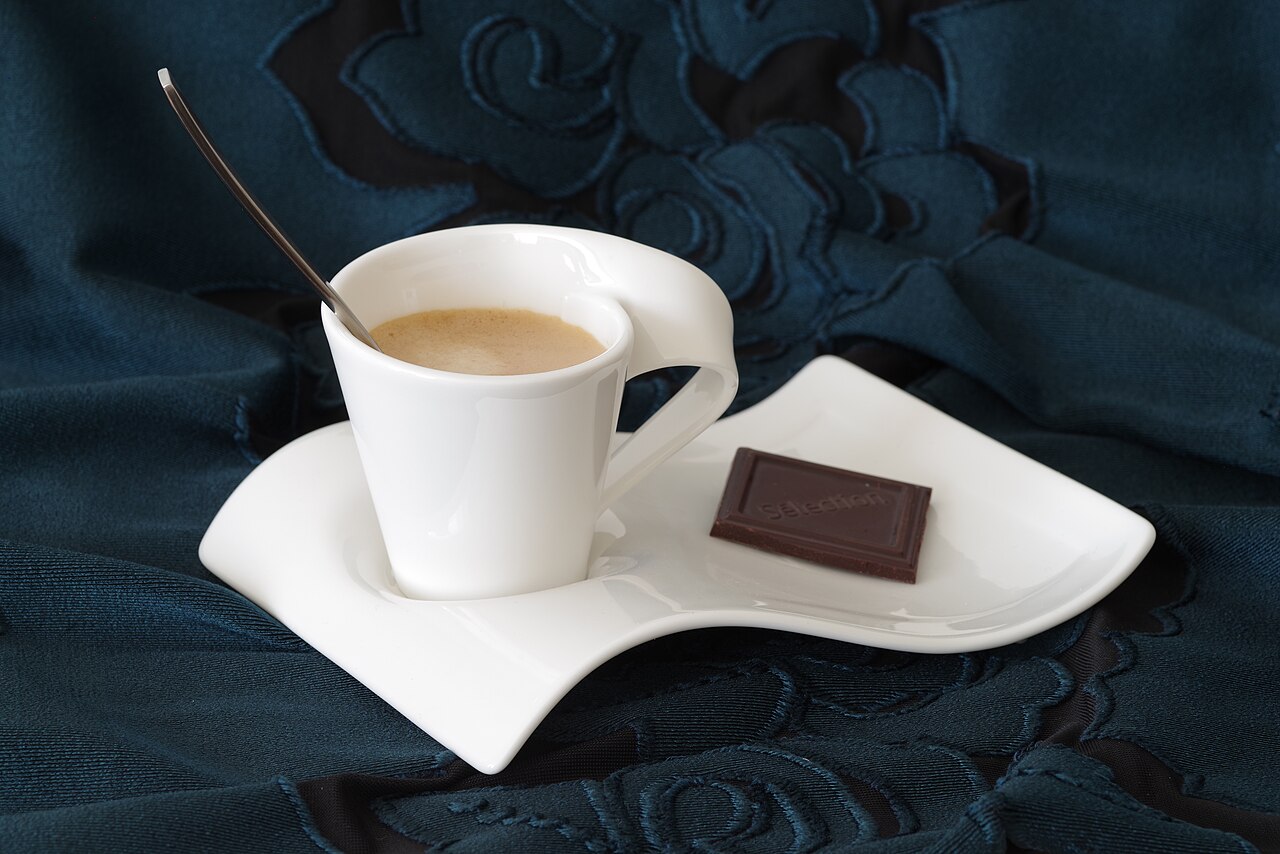
An unqualified caffè means espresso. Order, pay according to the café’s system, and drink at the bar unless you want a table. The glass of water commonly served alongside is usually taken first to clear the palate.
Caffè sospeso—a “suspended” coffee paid forward for someone else—is a celebrated Neapolitan tradition. If you want milk, ask for a cappuccino or caffè macchiato; locals tend to treat cappuccino as a morning drink, but nobody will revoke your holiday for ordering one later.
06 · Shop like a kitchen
Markets and edible streets
- PignaseccaCentral, dense and convenient for fruit, fish, cheese, bread and ready-to-eat snacks.
- Porta NolanaClose to the station side of the old city and especially vivid in the morning, with seafood and produce.
- VerginiA street-market experience that pairs naturally with a day exploring Rione Sanità.
- AntignanoA neighbourhood market in Vomero for visitors spending time in the upper city.
If you are cooking at the apartment, buy what is best that day: tomatoes, mozzarella, bread, fruit and salumi turn a quiet dinner at home into part of the trip.
07 · Restaurant habits
How to order with confidence
- Meal times run later than in many northern European cities. Check opening hours; some kitchens close between lunch and dinner.
- A coperto is a per-person cover charge listed on the menu. It is not the same as a tip.
- Service is generally included or priced through the cover; rounding up for warm service is appreciated but large percentage tipping is not expected.
- Ask about the day’s fish price and whether it is quoted by weight before ordering.
- For allergies, be explicit and repeat the question. “Senza glutine” means gluten-free; “sono allergico/a a…” means “I am allergic to…”
- Tap water is not automatic. Restaurants commonly offer bottled still (naturale) or sparkling (frizzante) water.
08 · A night in
Food-delivery apps available in Naples
Delivery availability depends on the exact address, restaurant and hour. Enter Piazza Nicola Amore 2 in the app, confirm the building details and watch for a rider message or call.
 Choose your setting
 Plan each day